Dinner can feel like a battleground. You offer food, and they negotiate like seasoned lawyers. You push broccoli; they hold out for goldfish crackers. It’s exhausting.
For a long time, I thought control was the answer. More rules, fewer sweets, and constant monitoring. But the more I pushed, the more they resisted. Sound familiar?
What if I told you that backing off made things better? That letting kids (mostly) eat what they want didn’t lead to sugar addiction or chaos?
In this article, I’ll share why giving kids more food freedom actually helped my family—and how it could help yours, too.
Why Food Control Often Backfires
Most parents mean well. We want our kids to eat well, grow strong, and stay healthy. So we set rules.
“Finish your veggies.” “No dessert until your plate is clean.” “Eat what’s served, or go hungry.”
On paper, it looks like discipline. But in practice, these rules often create stress. Over time, food becomes a source of tension. Every meal turns into a negotiation.
Children begin to view food as something to be earned or avoided. Some hide snacks or binge when adults aren’t looking. That’s not misbehavior. It’s a reaction to pressure.
The more we try to control what or how much they eat, the more they disconnect from their own body’s signals. They stop eating because they’re hungry and start eating out of fear, anxiety, or habit.
We think we’re protecting them. But we may be setting them up for a lifetime of complicated eating.
Children Are Born With Self-Regulation Skills
Babies cry when they’re hungry and turn away when they’re full. That’s self-regulation in action. It’s built-in.
Young children also have this ability. They naturally eat what they need and stop when satisfied. But this skill can fade if we override it too often.
When adults constantly prompt kids to eat more or less, children lose touch with their internal cues. Hunger becomes something external—something adults comment on or control.
This creates confusion. Instead of listening to their stomachs, kids begin looking to parents to tell them when to eat, how much to eat, or what’s “right.”
Giving children the space to make food choices helps them rebuild that trust with their own bodies. It might look messy at first. But over time, it supports healthy, intuitive eating.
They might eat a lot one day and barely anything the next. That’s okay. The body balances itself—if we let it.
The Problem With “Good” and “Bad” Food Labels
We often think of food in simple terms: good or bad. Carrots are good. Candy is bad. But this moral language causes harm.
When kids hear that a certain food is “bad,” they may feel bad for wanting it. A child who loves cookies might think they’re doing something wrong just by enjoying them.
This guilt doesn’t teach balance. It teaches shame.
Likewise, labeling food as “good” can create pressure. It turns meals into moral choices. Kids may start to think, “If I don’t eat this, I’m being bad.”
All food serves a purpose. Some nourish the body. Some offer comfort. Some are celebratory. None are evil.
A better approach is to talk about food in terms of how it makes us feel or what it does. For example, “This gives us energy for playing,” or “This helps your body grow strong.”
When we drop the moral judgment, kids become more open to variety. They stop obsessing over treats and start learning about balance.
Autonomy as a Core Parenting Principle
Autonomy is about allowing kids to make choices within safe boundaries. It’s not chaos. It’s respect.
When it comes to food, autonomy means giving children a say in what and how much they eat. That doesn’t mean they decide the grocery list. Parents still control what’s available and when it’s offered.
But once the food is on the table, the child gets to decide what to eat and how much.
This balance—structure from the parent, freedom for the child—builds trust. It teaches kids to take responsibility for their choices.
Instead of power struggles at every meal, you create space for calm conversations. Instead of “Eat your peas or no dessert,” it becomes, “Here’s what we’re having. Take what you’d like.”
It might feel scary to hand over that control. But many kids rise to the challenge. They start experimenting. They surprise you. They learn to listen to their bodies.
That’s what autonomy fosters—confidence and self-trust.
What This Looks Like in Practice
Here’s the only personal story I’ll include—and I’ll keep it brief.
We used to monitor every bite. Sweets were limited. Snacks were controlled. Mealtimes felt tense, even when no one said a word.
Eventually, I got tired. Not just physically, but emotionally. So, we changed how we approached food.
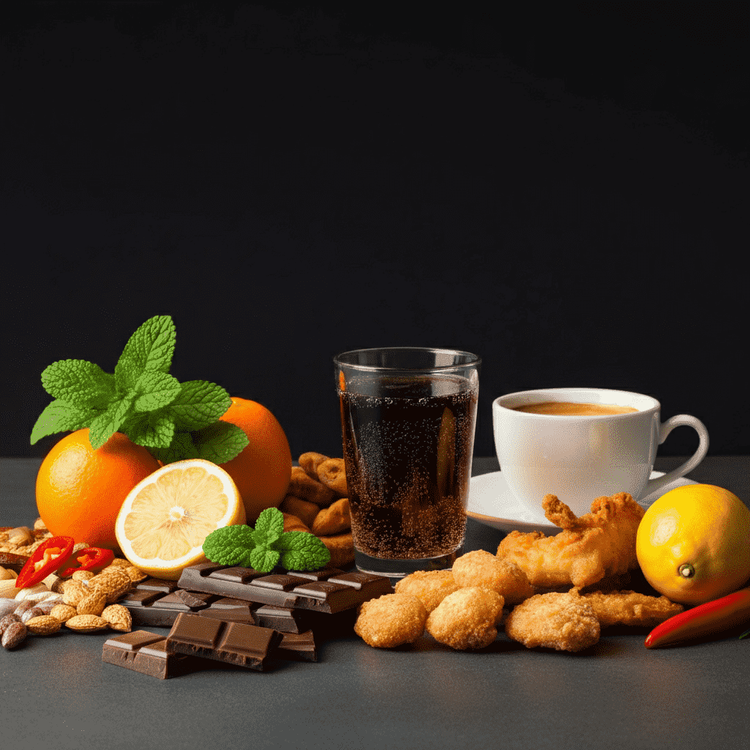
Now, nothing is off-limits. We keep fruits, chips, nuts, cookies, and veggies in the house. There’s variety, and everything is in plain sight. No secret snack bins. No forbidden drawers.
The kids choose their snacks from what’s available. During meals, we serve food buffet-style. Everyone makes their own plate.
At first, yes—they went for treats. But the excitement wore off. Slowly, their choices started to shift.
They began mixing in more fruit. They asked for eggs at breakfast. They even tried vegetables without being pushed.
One afternoon, my son had cookies for a snack. Just two. Then he asked for cheese and some apple slices. That was it. No big deal. No drama.
It works because they feel trusted.
The Long-Term Payoff
Parents often worry that letting go of food control will create chaos. But in reality, it often leads to more thoughtful eating.
When kids are trusted to make decisions, they grow into people who know how to listen to themselves. They’re less likely to binge or restrict. They develop a steady, calm relationship with food.
They may still eat sweets. They may still reject vegetables sometimes. But they do it without guilt or defiance. That makes all the difference.
You’re not raising robots. You’re raising people who need to understand their own needs.
Food becomes something they manage—not something they fear or fight over.
And long term? That’s the kind of balance most of us wish we had learned earlier.
What About Nutrition?
Of course nutrition matters. But it’s not all-or-nothing.
When you offer a variety of foods without pressure, kids usually begin to eat more balanced meals over time. They get curious. They explore flavors and textures. And they watch what you eat, too.
If fruit is always available and no one’s pushing it, kids might try it on their own. If meals regularly include vegetables, some of them will catch on.
Nutrition doesn’t have to come with lectures. It comes through consistency and exposure.
You create the food environment. Your child learns within it.
Conclusion
Letting kids (mostly) eat whatever they want doesn’t mean giving up. It means stepping back so they can step forward.
You still create structure. You still offer healthy foods. But you trust them to respond to their hunger and curiosity.
This isn’t a quick fix. It takes time. There will be moments when they eat cookies instead of dinner. That’s okay.
The long-term goal is not perfect eating. It’s a healthy relationship with food—one that’s rooted in trust, not fear.
So, why do my kids mostly eat what they want? Because I’ve seen what happens when they do.
They eat when they’re hungry. They stop when they’re full. And most importantly, they eat without shame.
That’s worth more than any clean plate.