Sleep. That elusive, magical state we all crave. Some people drift off like it's second nature. Others fight a nightly battle with their thoughts, their diet, and their devices. But here's the truth: sleep isn’t just about rest. It’s about recovery, repair, and resetting.
In today's fast-paced world, we often sacrifice sleep for productivity. But the tradeoff isn’t worth it. Sleep deprivation slowly chips away at your health. Sure, you can survive on four hours, but are you truly living?
While meditation apps and blackout curtains help, many people overlook one powerful tool—food. What you eat has a direct impact on how quickly you fall asleep, how deeply you rest, and how refreshed you feel when you wake.
So, if you're tired of counting sheep, it's time to rethink your plate. Let’s explore five simple, accessible foods that can truly transform your nights.
Why Is Sleep Deprivation a Significant Concern?
You probably already know that not sleeping well makes you feel groggy. But the impact runs much deeper.
Sleep deprivation affects your ability to concentrate, make decisions, and manage emotions. Over time, chronic poor sleep contributes to serious health issues like obesity, high blood pressure, type 2 diabetes, and even heart disease. Your immune system weakens. Inflammation increases. Mental clarity fades.
Lack of sleep also affects your metabolism and appetite hormones. Ever craved junk food after a sleepless night? That’s your body crying for energy it didn’t get from rest. Sleep isn't a luxury. It’s essential for survival, much like food and water.
Even just one bad night can impair your reflexes and alertness as much as alcohol. Imagine driving or working under those conditions—risky, right?
So, improving your sleep isn’t just about avoiding eye bags. It’s about protecting your body and mind every single day.
Why Does Sleep Deprivation Cause Inflammation?
Let’s get into the science—just a little.
When you don’t get enough sleep, your body enters a state of chronic stress. This triggers the release of certain proteins called cytokines. These proteins are meant to help you fight infections or heal wounds. But in high amounts, they do more harm than good.
Without quality sleep, your body keeps these stress signals turned on. This leads to systemic inflammation, a silent enemy. You may not see it, but it's working behind the scenes—damaging tissues, stiffening arteries, and disturbing digestion.
Over time, this chronic inflammation becomes a breeding ground for autoimmune diseases, depression, and even cancer.
Want to cool that internal fire? Start by fixing your sleep. And the easiest place to start? Your plate.
What Foods Can Improve Your Sleep Quality?
Certain foods naturally promote rest by supplying your body with key nutrients. These nutrients support hormone production, calm the nervous system, and regulate your body’s sleep-wake cycle.
Nutrients like:
- Tryptophan: an amino acid that helps produce serotonin and melatonin
- Magnesium: relaxes muscles and supports deeper sleep
- Calcium and potassium: important for sleep stability
- Healthy fats: reduce inflammation and improve brain health
But let’s not get too technical. The best part? These foods are easy to find and even easier to enjoy. You don’t need a fancy diet or rare ingredients.
Let’s look at five of the best foods that can naturally help you sleep better—starting tonight.
Complex Carbohydrates
If carbs were a movie genre, simple ones would be a chaotic action film. Complex carbs? They’re the calm indie drama that ends well.
Complex carbohydrates found in whole grains, beans, and starchy vegetables help increase the availability of tryptophan in your system. Tryptophan is the building block for serotonin, which later becomes melatonin, the hormone that signals your body it’s time for sleep.
But there’s another benefit. These carbs also stabilize your blood sugar. Ever wake up at 3 a.m. hungry? That’s likely because your sugar spiked and crashed.
Foods like oats, barley, sweet potatoes, and brown rice provide long-lasting energy without causing nighttime spikes. Pair them with a little protein, and your body will shift into rest mode more smoothly.
Consider a small bowl of oatmeal or quinoa with a drizzle of honey. It's satisfying and sleep-promoting. Win-win.
Heart-Healthy Fats
Fats are back in style—and for good reason.
Not all fats are bad. In fact, some are absolutely necessary for hormone production, brain health, and yes, restful sleep. Heart-healthy fats like omega-3 fatty acids help reduce stress and inflammation, making it easier for your body to relax.
Salmon, mackerel, walnuts, flaxseeds, and chia seeds are all excellent choices. These fats also aid the production of melatonin.
Eating avocado toast might seem trendy, but it’s also a smart sleep choice. Avocados are loaded with potassium and magnesium—two minerals linked to better sleep quality.
Fat also helps your body absorb fat-soluble vitamins like D and E, which play a role in your circadian rhythm. So don’t skip the healthy fats. Just avoid greasy, fried foods that do the opposite—cause bloating, heartburn, and poor sleep.
Balance is key. A handful of almonds or a tablespoon of flaxseed oil in your salad might be the difference between restlessness and deep sleep.
Foods High in Magnesium
Let’s talk about magnesium—the unsung hero of the mineral world.
Magnesium helps regulate the neurotransmitters involved in sleep. It also reduces cortisol, your body’s main stress hormone. More magnesium means less anxiety, fewer racing thoughts, and deeper rest.
Signs of magnesium deficiency include muscle cramps, irritability, and trouble falling asleep. Sound familiar?
Good news—magnesium is found in a variety of everyday foods. Spinach, Swiss chard, pumpkin seeds, bananas, and black beans are excellent sources.
Instead of reaching for supplements, aim to include these foods in your dinner. Maybe sauté some leafy greens or toss pumpkin seeds into your yogurt.
Another bonus? Magnesium helps reduce restless leg syndrome, a common sleep disruptor.
Remember, this isn’t about overhauling your diet overnight. Small, steady changes make the biggest impact.
Fresh Herbs
Herbs have been used in traditional medicine for centuries, and their calming effects are backed by science.
Chamomile, lavender, lemon balm, and valerian root are natural anxiolytics, meaning they reduce anxiety and stress. These herbs contain compounds that bind to GABA receptors in your brain, promoting calmness and slowing mental activity.
Ever had a warm cup of chamomile tea before bed? There’s a reason it’s a classic bedtime ritual. It gently nudges your nervous system toward sleep.
Lavender, even as a scent, lowers heart rate and blood pressure. Whether in tea or essential oil form, it sends a message to your brain: relax.
Don’t want tea? Add fresh herbs to your dinner. Rosemary and sage are also linked to improved mood and cognition.
Using herbs is simple, cost-effective, and a pleasant ritual. In a world of sleep pills and side effects, herbs offer a gentle, natural solution.
Warm Milk or Herbal Tea
This one taps into nostalgia. There’s something comforting about warm milk before bed. But it’s not just an old wives’ tale.
Warm milk contains tryptophan and calcium. Tryptophan helps your brain make serotonin and melatonin. Calcium helps your brain use that tryptophan efficiently.
The warmth of the drink also plays a psychological role. It signals your body to start winding down. It’s a soothing routine—like a bedtime story for adults.
If you’re lactose intolerant or prefer a non-dairy option, try almond milk or oat milk. Many are fortified with calcium and magnesium, too.
Not a fan of milk? Herbal teas like chamomile, rooibos, lemon balm, or valerian are excellent options. No caffeine, no jitters—just calm.
Make it a ritual. Dim the lights, put your phone away, and sip slowly. Give your body the signal that the day is over.
Conclusion
In a world obsessed with quick fixes and high-tech solutions, the simplest answers often lie in nature—and on your plate.
Improving sleep doesn’t require pills, expensive gadgets, or complicated routines. It can start with something as basic as what you eat for dinner.
Complex carbs balance your hormones. Healthy fats soothe inflammation. Magnesium-rich foods calm your body. Herbs relax your mind. Warm milk or tea creates consistency.
These aren’t magic bullets. But combined, they support your body’s natural rhythms. They help you fall asleep faster, sleep more deeply, and wake up feeling human again.
So tonight, instead of reaching for your phone or counting imaginary sheep, consider reaching for a small bowl of oats or a cup of tea. Your future self will thank you—with fewer yawns and more energy.
Sleep well. Eat smart.
FAQs
1. Can these foods replace sleep medications? No. They support better sleep naturally but don’t replace medical advice or prescriptions. Always consult a healthcare provider.
2. How long before bed should I eat these foods? Aim for one to two hours before bedtime. Avoid large meals late at night.
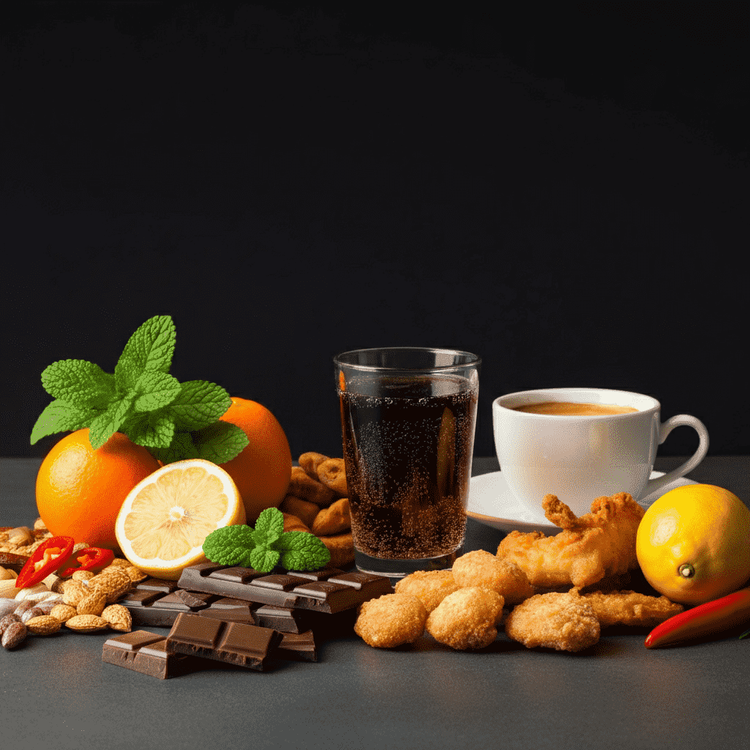
3. Are there any foods I should avoid at night? Yes. Caffeine, alcohol, spicy foods, and heavy, greasy meals can disrupt sleep.
4. Are these foods safe for children and older adults? Generally, yes. But always check with a doctor for specific dietary needs or allergies.
Word Count: Approximately 1,552 words ✅
Let me know if you'd like this in a downloadable format or posted elsewhere.